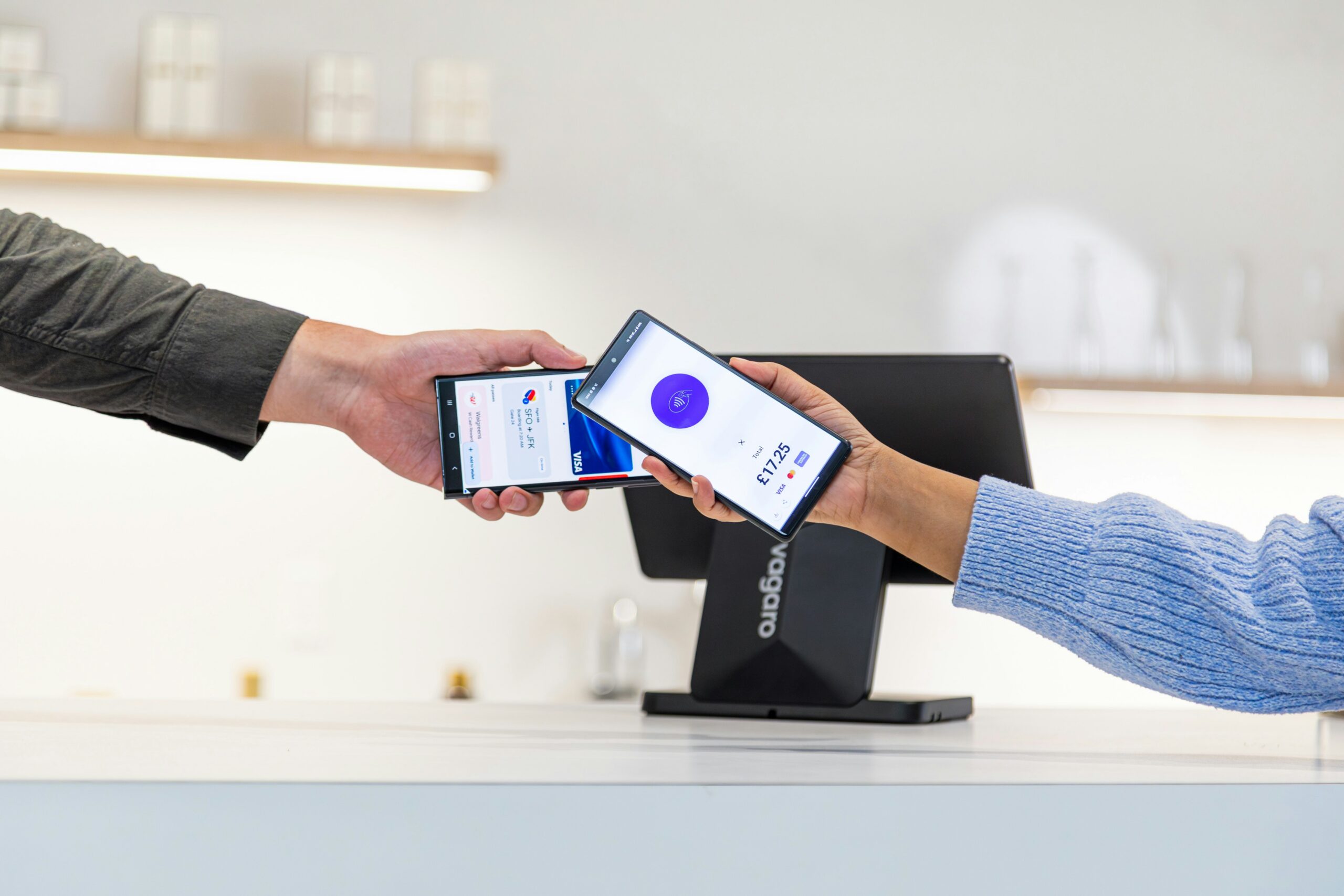
For decades, the intersection of personal finance and healthcare has been a source of profound anxiety for consumers. The opaque pricing, complex insurance structures, and unexpected out-of-pocket costs have created a system where financial wellness and physical wellness are often at odds. But a seismic shift is underway. As we move through 2026, a new breed of financial technology companies is not just navigating this fraught intersection—they are building a seamless bridge. By leveraging artificial intelligence, blockchain, and hyper-personalized data analytics, fintech innovators are fundamentally rewriting the rules, creating ecosystems where every health-conscious decision translates directly into tangible financial savings and smarter capital allocation.

The Convergence Imperative: Why Finance and Healthcare Had to Merge
The catalyst for this fusion was a perfect storm of economic pressure and technological capability. Spiraling healthcare costs continued to outpace inflation, while high-deductible health plans shifted more financial burden onto individuals. Concurrently, the proliferation of wearable devices, electronic health records (EHRs), and open banking APIs created unprecedented data liquidity. Fintechs, with their agility and user-centric design ethos, recognized a critical inefficiency: the health and wealth data silos. “We’ve long treated our physical and financial health as separate ledgers,” explains Dr. Anya Sharma, a health economist at the Stanford Center for Digital Health. “The breakthrough in 2026 isn’t a new drug or a new stock; it’s the sophisticated data middleware that finally allows these two ledgers to communicate, revealing patterns and savings opportunities that were literally invisible five years ago.”
Key Innovations Driving the Synergy
The current landscape is defined by several interconnected innovations, each tackling a specific pain point in the healthcare financial journey.
AI-Powered Health Savings Optimizers and Premium Forecasting
Gone are the days of guessing during open enrollment. Platforms like HealthFiscal and VitalWallet now use machine learning algorithms that analyze a user’s two-year medical claim history (anonymized and with explicit consent), pharmacy spending, and even genetic risk markers from services like 23andMe or Nebula Genomics. They don’t just compare plan premiums; they simulate thousands of potential health scenarios for the coming year. The output is a precise, personalized recommendation: “For your profile, a high-deductible plan paired with a strategically funded HSA will save you an estimated $2,400 versus a low-deductible PPO, even accounting for your planned knee procedure in Q3.” This moves consumers from reactive cost-bearing to proactive health wealth management.
Decentralized Health Finance (DeHF) and Transparent Pricing
Blockchain technology has found a potent use case beyond cryptocurrency. Decentralized Health Finance protocols are creating immutable, transparent marketplaces for medical services. Patients can now access a decentralized ledger of procedure costs across different providers within a region, empowered to make choices like a true consumer. Smart contracts automate payments and even facilitate peer-to-peer health savings pools for elective procedures. “It’s about disintermediating the opacity,” says Marcus Chen, CEO of LedgerWell, a leading DeHF platform. “When you can see that an MRI costs $450 at an imaging center versus $1,200 at a hospital for the same quality score, and you can pay for it seamlessly with crypto or tokenized health dollars, the power dynamic shifts. This is a boon for those seeking affordable elective surgery options or cash-pay dental implants.”
Behavioral “Nudge” Banking and Gamified Wellness
Fintech apps have mastered the art of micro-savings. Now, that capability is directly linked to healthy behavior. Imagine your banking app, connected to your Fitbit or Oura Ring, automatically rounding up your coffee purchase and depositing the change into your HSA because you hit your weekly sleep goal. Or a credit card from Greenlight or Current that offers 5% cashback not on Amazon, but on purchases at organic grocers, gym memberships, or licensed telehealth therapy sessions. These behavioral finance-meets-wellness integrations create a virtuous cycle, making financial reward an immediate reinforcement for healthy living.
Integrated Medical Bill Negotiation and Cashflow Management
Perhaps the most direct assault on consumer anxiety is the rise of embedded bill advocacy. Fintechs like TrueBill and Copilot have evolved. Now, when you sync your medical bills, their AI doesn’t just track them—it actively audits them for errors (which occur in an estimated 80% of bills), negotiates with providers on your behalf, and then offers a low-interest medical payment plan through a partner credit union if a lump sum is untenable. This turns a chaotic, stressful event into a managed financial workflow within your primary financial dashboard.
The High-Value Consumer Landscape: Services and Considerations for 2026
For the savvy individual or family looking to leverage these innovations, the market has crystallized into specific, high-intent service categories.
- Concierge Health-Finance Advisors: A new professional class has emerged. These are CFPs (Certified Financial Planners) with additional certification in healthcare planning. They help high-net-worth individuals optimize HSA investments as a long-term tax-advantaged vehicle, structure personalized health insurance for global citizens, and integrate projected healthcare costs into comprehensive retirement models.
- Employer-Sponsored Fusion Platforms: Forward-thinking corporations are bundling these tools. A single employee portal might offer a premium rewards card for health spending, direct access to a preferred network of boutique mental wellness retreats, and an AI optimizer for benefits selection, all aimed at reducing employer premiums and improving employee financial stability.
- Specialized Lending and Financing: Fintech lenders now underwrite loans not just on credit score, but on holistic health data (with permission). This can lead to better rates for individuals with demonstrably healthy lifestyles, or tailored financing for expensive, preventative treatments not fully covered by insurance.
Navigating the Risks: Privacy, Equity, and Regulatory Hurdles
This fusion is not without its perils. The central tension lies in data privacy. The exchange of health information for financial gain demands ironclad security and clear, ethical guidelines. Regulations like HIPAA in the U.S. and GDPR in Europe are being stress-tested by these new data flows. There is also a risk of a “health-wealth divide,” where only the already health-literate and data-rich reap the greatest rewards, potentially exacerbating inequalities. Furthermore, the regulatory landscape remains fragmented, with the SEC, CFPB, and HHS all grappling with jurisdiction over these hybrid entities.
The 2030 Outlook: A Fully Integrated Health Wealth Ecosystem
Looking ahead, the trajectory points toward complete integration. We are moving toward a single, permissioned “Health Wealth Passport”—a digital identity that securely holds your financial credit and medical history, enabling real-time, optimized decision-making. Imagine applying for a mortgage and receiving a better rate because your biomarker data indicates exceptional longevity risk. Or your retirement plan automatically adjusting your savings rate based on a predictive diagnosis from your annual lab work, caught early and treated affordably.
The ultimate promise of the fintech-healthcare merger is the dissolution of the very boundary between being financially sound and being physically sound. It promises a future where your daily choices are supported by an intelligent financial infrastructure that rewards longevity, prevents catastrophic expense through predictive care, and provides transparent, equitable access to services. In 2026, we are no longer just saving for a rainy day; we are investing, quite literally, in our own vitality.
Photo Credits
Photo by Vagaro on Unsplash

Leave a Reply