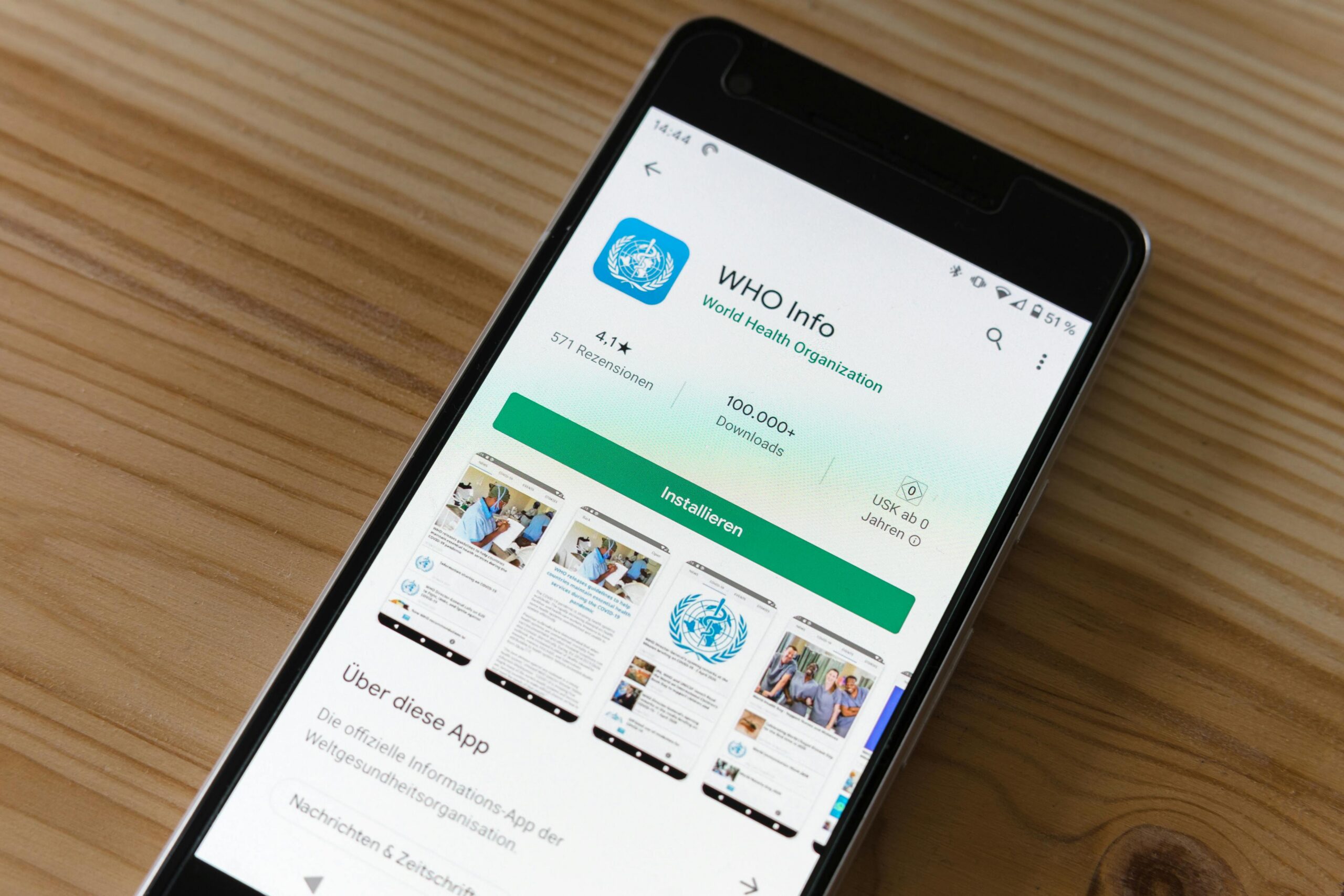
The stethoscope, the blood pressure cuff, the insurance card—for decades, these were the immutable tools of healthcare. Today, the most critical instrument in managing your health and financial well-being may be the digital health insurance platform on your smartphone. What began as a simple portal for checking claims has, by 2026, evolved into a dynamic, AI-driven ecosystem that is fundamentally reshaping the patient experience. This new landscape is no longer about passive coverage; it’s about proactive health management, personalized cost optimization, and navigating a complex web of virtual and in-person care options. For consumers and employers alike, understanding how to strategically leverage these platforms is not just convenient—it’s a matter of capital allocation and clinical outcomes.
The Evolution: From Claims Processor to Health Conductor
Gone are the days of waiting for an Explanation of Benefits (EOB) in the mail. The modern digital health insurance platform is a centralized command center. It integrates data from wearable devices, electronic health records (EHRs), pharmacy networks, and telehealth services to create a holistic view of a member’s health. “We’ve moved from a reactive, transactional model to a predictive, partnership model,” explains Dr. Anya Sharma, Chief Medical Officer of a leading digital health insurance provider. “The platform’s role is to surface the right care pathway, at the right time, with transparent cost implications, before a minor issue becomes a chronic condition or a financial shock.”
Core Functionalities Defining the 2026 Platform
To navigate effectively, one must understand the core modules that now define a best-in-class platform.
Hyper-Personalized Cost Transparency and Shopping
Simply showing a deductible meter is antiquated. Advanced platforms now offer real-time, procedure-specific cost estimators that factor in your plan details, preferred network status, and even geographic variations. Searching for an MRI doesn’t just return a list of facilities; it ranks them by your out-of-pocket cost, quality scores, and patient reviews. This functionality turns members into informed purchasers of healthcare, directly addressing the demand for affordable health plan options and low-deductible insurance plans by maximizing the value of any plan they choose.
Integrated Virtual-First Care Ecosystems
The platform is now the primary gateway to care. With a few taps, members can: initiate a chat with a nurse line; schedule a video visit with a dermatologist for a rash; get a prescription for acute care sent to their preferred pharmacy; and access a library of digital therapeutics for conditions like insomnia or anxiety. This seamless integration makes the platform a powerful tool for managing telemedicine service benefits and mental health coverage online, ensuring these benefits are utilized rather than forgotten.
AI-Driven Health Navigation and Advocacy
This is the most transformative shift. Sophisticated AI algorithms analyze your aggregated data to provide nudges and alerts. It might notice a pattern of rising blood pressure from your connected device and suggest a virtual consultation, or flag a potential harmful interaction between a new prescription and an existing medication. Furthermore, when facing a complex diagnosis, AI-powered health insurance advocacy services embedded in the platform can help pre-authorize treatments, negotiate bills on your behalf, and clarify convoluted coverage terms, acting as a relentless digital ally.
Gamification and Incentive Management
To drive engagement and healthier behaviors, platforms have adopted sophisticated incentive structures. Completing a health risk assessment, logging daily activity, attending a preventive screening, or even watching an educational video can earn points redeemable for gift cards, premium discounts, or contributions to a Health Savings Account (HSA). This turns passive policyholders into active participants in their health journey.
Strategic Navigation: A Guide for the Informed User
With great power comes the need for great strategy. Here’s how to capitalize on these platforms in 2026.
For Individuals and Families: Maximizing Your Digital Toolset
1. Audit and Integrate: Don’t treat the platform as an island. Connect your fitness trackers, smart scales, and other permitted health apps. This data river is what fuels personalization.
2. Shop Before You Drop: For any non-emergency service—from lab work to physical therapy—use the platform’s cost comparison tool. Prices for the same service can vary by 300% within a few miles.
3. Embrace the Virtual Triage: Use the platform’s symptom checker or nurse line as a first step. It can often resolve issues instantly or guide you to the most appropriate, cost-effective level of care.
4. Proactively Manage Incentives: Treat the wellness program like a financial portfolio. Systematically complete eligible activities to maximize your annual rewards, effectively reducing your net healthcare costs.
For Employers: Selecting a Platform-Driven Partner
For businesses, the choice of a corporate health benefits administrator is now synonymous with choosing a digital platform. Key evaluation criteria include:
- Integration Depth: How well does it sync with your existing HRIS, and does it offer a true single-sign-on experience?
- Data Analytics Dashboard: Can you get anonymized, actionable insights into population health trends and utilization patterns to guide future benefit design?
- User Experience (UX) Metrics: Look at member engagement rates and satisfaction scores. A powerful platform is useless if no one uses it.
- White-Glove Support Tiers: Does the platform offer dedicated concierge health insurance services for your C-suite or for employees undergoing complex medical episodes?
The Looming Challenges: Privacy, Equity, and Overload
This digital utopia is not without its dystopian risks. The aggregation of sensitive health data creates a high-value target for cyberattacks. There’s also the peril of the “digital divide,” where elderly or low-income populations without reliable internet or digital literacy are left behind, creating a two-tiered system. Furthermore, algorithm bias—where AI models trained on non-diverse datasets make flawed recommendations—is a serious concern regulators are only beginning to address. Finally, there is the risk of notification fatigue, where users are bombarded with so many nudges, alerts, and messages that they disengage entirely.
The 2026 Outlook: Interoperability and the “Health Cloud”
Looking ahead, the next frontier is the dissolution of platform silos. The vision for the coming years is a secure, interoperable “health cloud,” where you own your data and can permission it to flow seamlessly between your insurer’s platform, your doctor’s EHR, your pharmacy app, and specialized disease management tools. This will enable a truly continuous care experience. Furthermore, we will see the rise of on-demand insurance policy customization, where life events tracked through the platform (like planning a pregnancy or taking up a high-risk sport) could trigger tailored, temporary coverage add-ons purchased directly through the app.
Conclusion: From Passive Holder to Active Partner
The digital health insurance platform of 2026 represents a profound shift in the social contract of healthcare. It demystifies costs, democratizes access to care, and provides a continuous, data-rich feedback loop for health management. Success in this new landscape requires a shift in mindset: from being a passive holder of an insurance card to being an active, strategic partner in your own health journey. By thoroughly understanding the capabilities of these platforms, diligently integrating your data, and proactively using their tools for navigation and shopping, you can transform your health insurance from a static financial backstop into a dynamic engine for well-being and financial efficiency. The future of healthcare is not just in the clinic; it’s in the palm of your hand.
Photo Credits
Photo by Markus Winkler on Pexels

Leave a Reply