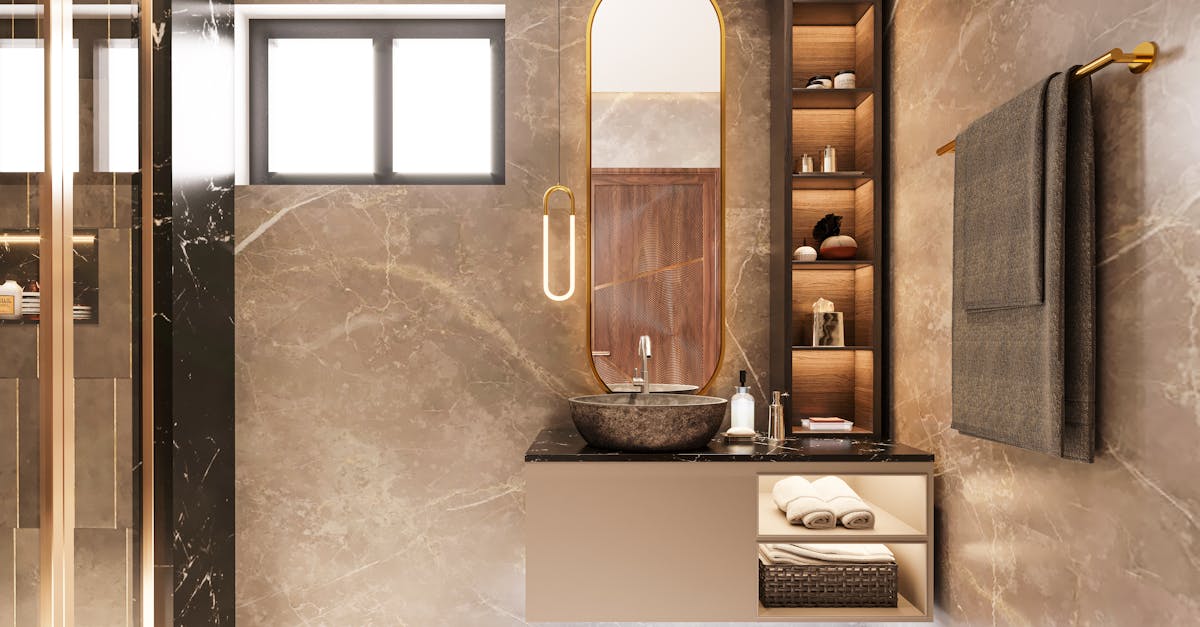
In the nuanced world of real estate, few spaces carry as much weight in a buyer’s imagination as the bathroom. It is a room that must balance clinical function with personal sanctuary, a space where small details can dramatically shift perception. Among these details, color is perhaps the most powerful yet frequently underestimated tool in a homeowner’s arsenal. The right palette does more than please the eye; it can subtly signal quality, modernity, and care, directly influencing a property’s perceived market value.
Moving beyond simple aesthetics, strategic color selection addresses a core challenge in home presentation: creating an environment that feels both universally appealing and personally inviting. This is where thoughtful Bathroom Design transitions from a matter of taste to one of smart investment.
The Psychology of Color in Home Valuation
Color psychology is not a mere design trend; it’s a well-studied field that influences mood and decision-making. In a bathroom, these effects are amplified by the room’s intimate nature. Cool, clean tones can evoke a sense of spaciousness and hygiene, while warmer, richer hues might suggest luxury and comfort. The key for homeowners is to choose a scheme that aligns with broad market expectations while avoiding overly personal or dated choices that can make a space feel smaller or neglected.
When potential buyers or appraisers walk into a bathroom, they are subconsciously assessing its condition and quality. A cohesive, modern color palette acts as a non-verbal cue that the home has been maintained with attention to detail. This perception can be a significant differentiator in a competitive market, making color a critical component of overall Bathroom Design Considerations.
2026 Color Trends: The New Neutrals and Accent Innovations
Looking ahead, bathroom palettes are evolving toward sophisticated, grounded neutrals and bold, intentional accents. The stark all-white bathroom is giving way to more layered and textural approaches that feel both fresh and timeless.
The Dominant Palette: Earth and Stone
The leading trend for 2026 centers on colors drawn directly from the natural world. These hues promote calm and stability, qualities highly desired in a private space.
- Warm Whites & Creams: Think oyster, linen, and bone. These are replacing cool, blue-based whites, adding warmth without yellowing, making spaces feel soft and inviting.
- Earthy Greens: Sage, olive, and muted moss bring a serene, organic feel. They pair beautifully with natural wood and stone, creating a spa-like atmosphere.
- Mineral Grays and Taupes: Shades reminiscent of clay, flint, and limestone. These complex neutrals provide a perfect, sophisticated backdrop that is neither cold nor boring.
Strategic Accents for Modern Flair
Accent colors are being used with more precision, often isolated to a single feature wall, vanity unit, or through tile patterns. This approach allows for personality without overwhelming the space.
- Deep, Moody Blues: Navy, charcoal blue, and ink. Used on cabinetry or in a glossy tile, these colors add depth and a touch of dramatic elegance.
- Terracotta & Burnt Sienna: These warm, earthy reds inject energy and warmth. They work exceptionally well in powder rooms or as a zellige tile accent in a shower niche.
- Metallic Finishes: Brushed brass and matte black fixtures remain strong, but brushed nickel and aged pewter are rising as softer, contemporary alternatives for taps and hardware.
Design Tips for a Cohesive and Valuable Space
Selecting a color is only the first step. Its application and coordination with other elements determine the final impact. Successful Design for Bathroom and Toilet requires a holistic view.
1. The 60-30-10 Rule for Balance
Apply this classic design principle to create visual harmony. Use your dominant color (e.g., a warm white) on about 60% of the space (walls, large tiles). A secondary color (e.g., an earthy green) should cover 30% (vanity, accent wall). The final 10% is for your pop accent (e.g., terracotta towels, a piece of art, or metallic fixtures).
2. Consider Light and Space
Always test paint and tile samples in the actual room at different times of day. A north-facing bathroom may need warmer tones to counter gray light, while a south-facing room flooded with sun can handle cooler, darker shades. For smaller bathrooms, consistent color on walls, trim, and even the ceiling can blur boundaries and make the room feel larger—a crucial tactic in compact Toilet and Bathroom Design.
3. Layer Textures, Not Just Colors
A monochromatic scheme avoids feeling flat through texture. Combine matte painted walls with glossy subway tiles, a honed marble countertop, a woven bath mat, and brushed metal hardware. This tactile variety adds luxury and interest.
4. Create a Unified Flow
In homes where the bathroom is en-suite or adjacent to a bedroom, consider a complementary color story that creates a gentle flow from one space to the next. This demonstrates thoughtful, integrated Bathroom and Toilet Design that appeals to buyers looking for a move-in ready, cohesive home.
Beyond Paint: Integrating Color with Materials
The most contemporary bathrooms treat color as an integral part of the material selection, not just a surface coating. This is where Bespoke Bathroom Design truly shines, allowing for a fully customized environment.
- Tiled Feature Walls: Colored and patterned tiles are a permanent, high-value way to introduce color. Consider a floor-to-ceiling slab of book-matched marble or a geometric patterned tile behind the vanity.
- Colored Sanitaryware: The return of the colored basin or bathtub, now in sophisticated, muted tones like sage green or graphite gray, makes a bold statement of intentional design.
- Wood and Natural Stone: The inherent veins in marble, the grain in oak, or the speckle in granite introduce natural color variation that adds depth and uniqueness impossible to achieve with paint alone.
Avoiding Common Pitfalls in Color Selection
Certain choices can inadvertently date a bathroom or make it feel less valuable. Being aware of these pitfalls is essential.
- Overly Trendy Brights: While a vibrant yellow or pink might be fun, it has a short stylistic lifespan and can be a major turn-off for buyers seeking a neutral canvas.
- Matching Everything: A bathroom where the walls, towels, shower curtain, and mats are all the same shade can feel monotonous and cheap. Aim for a curated, layered look instead.
- Ignoring the Fixed Elements: Your color scheme must work with what you cannot easily change: the color of the existing floor tiles, countertop, or bath. Design your new palette around these fixed points.
The journey to a bathroom that enhances your home’s value is rooted in informed choices. It begins with understanding the psychological impact of color, evolves through studying emerging trends like the earthy neutrals of 2026, and is executed with practical design principles that ensure balance and longevity. By viewing your bathroom not just as a utilitarian room but as a key component of your property’s appeal, you make decisions that are both aesthetically pleasing and financially astute. The ultimate goal is to create a space that feels like a personal retreat while simultaneously presenting as a valuable, modern asset to any future buyer—a balance achieved through strategic color and cohesive Bathrooms Design.

Leave a Reply