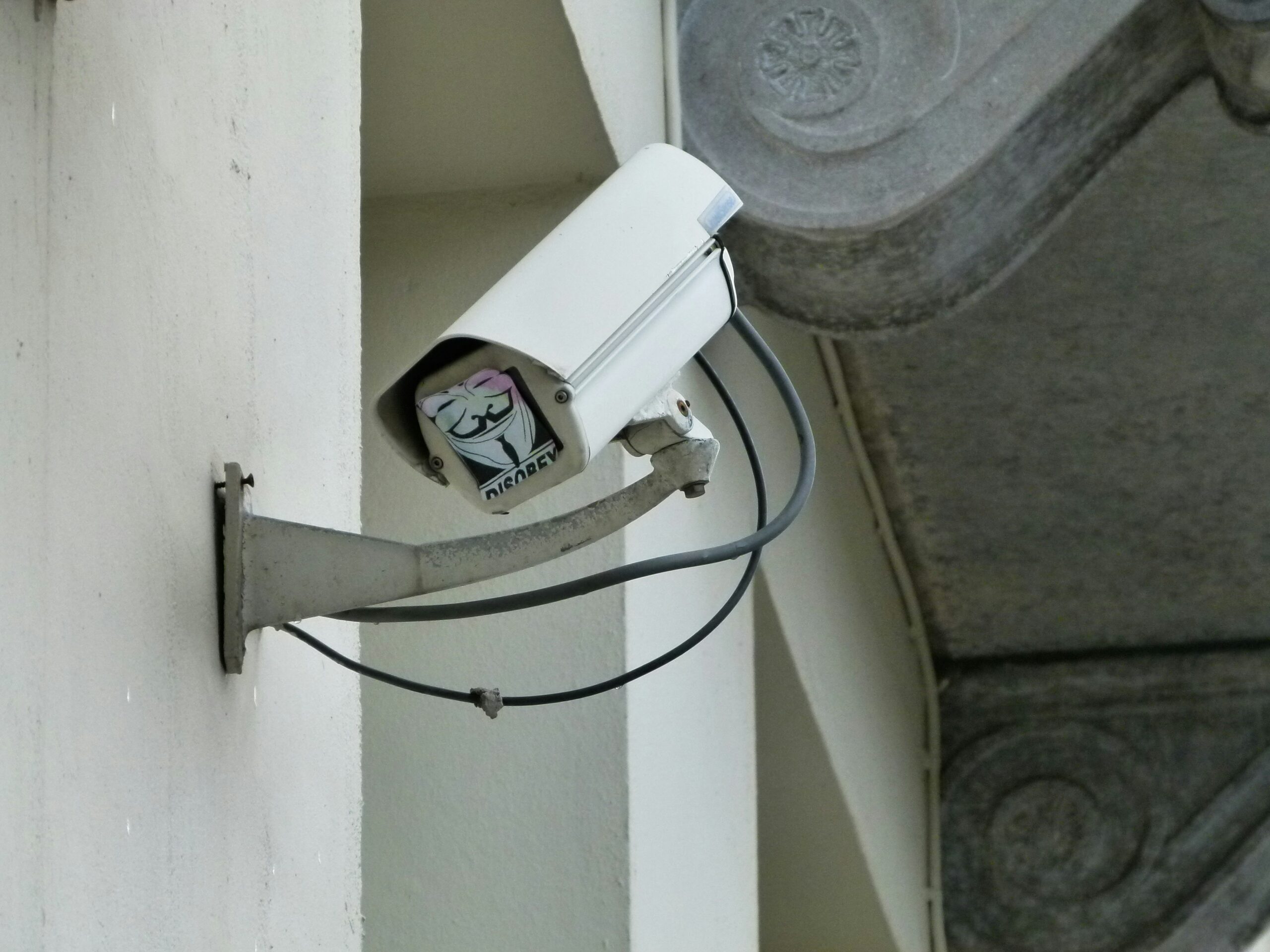
For years, the promise of the smart home has centered on convenience and futuristic appeal—lights that turn on with a voice command, thermostats that learn our preferences, and refrigerators that can order milk. But as we move deeper into 2026, a more compelling, financially-driven narrative is taking hold. The sophisticated, interconnected devices in our homes are no longer just gadgets; they are powerful risk-mitigation tools that insurance underwriters are increasingly willing to reward with tangible savings. The modern smart home is evolving from a lifestyle choice into a strategic component of personal financial planning, directly impacting one of our most persistent household expenses: the insurance premium.

The Underwriter’s New Toolkit: How Insurers Quantify Smart Home Risk
To understand the potential for savings, one must first grasp the fundamental shift in the insurance industry’s approach to data. Historically, premiums were calculated based on broad, static factors: the age of your home, your zip code, your claims history. Today, leading home insurance providers are leveraging real-time data streams from Internet of Things (IoT) devices to create a dynamic, behavior-based risk profile. “We’re moving from actuarial tables to active partnerships in loss prevention,” explains a risk analytics executive from a major insurer, speaking on background. “A home that can tell us it’s secure, that it has detected a water leak at its source, or that its electrical system is operating optimally, is simply a better risk. And in our business, better risks cost less to insure.”
This isn’t mere speculation. A 2025 study by the Insurance Information Institute found that policyholders with professionally monitored security and leak detection systems filed claims 20% and 15% less frequently, respectively. Insurers are translating this reduced risk into discounts that typically range from 5% to 20%, depending on the system and the carrier. The key for homeowners is to understand which upgrades offer the highest return on investment, both in safety and in annual premium reductions.
High-Impact Upgrades: The 2026 Landscape of Insurable Tech
Not all smart devices are created equal in the eyes of your home insurance company. The most significant discounts are reserved for systems that proactively prevent the most common and costly claims: theft, water damage, and fire.
1. Advanced, Professionally Monitored Security Ecosystems
The basic DIY camera and sensor kit might offer peace of mind, but for premium discounts, insurers require a higher standard of deterrence and response. The gold standard in 2026 is a professionally installed and monitored home security system that integrates:
AI-Powered Behavioral Analytics: Cameras and sensors that don’t just detect motion, but can distinguish between a family pet, a family member, and an intruder, drastically reducing false alarms.
Perimeter Defense Integration: Smart locks, window sensors, and glass-break detectors that create a certified “sealed” status when the home is armed.
Verified Response Protocols: Systems that use two-factor verification (e.g., a camera clip sent to the monitoring center) before dispatching authorities, which insurers favor.
Local Partnerships: Some high-end systems now offer direct integration with local private security patrols for rapid on-site response.
Presenting your insurer with a certificate of monitoring from a reputable provider is the clearest path to securing this category of discount.
2. Whole-Home Water Intelligence and Automatic Shutoff
Water damage is consistently among the top causes of homeowner claims. Modern systems have evolved far beyond a simple under-sink sensor. Insurers are most impressed by comprehensive solutions:
Smart Main Water Shutoff Valves: Devices like the Flo by Moen or Phyn Plus, which monitor pressure and flow 24/7, learning your home’s usage patterns. They can automatically shut off the water supply if a catastrophic leak is detected (e.g., a burst pipe) or even alert you to small, persistent leaks (a running toilet, a dripping water heater) that waste thousands of gallons and cause slow, insidious damage.
Zoned Sensor Networks: A network of inexpensive, battery-powered sensors placed in every high-risk area: under sinks, behind washing machines, near water heaters, and in basement floor drains. When linked to an automatic shutoff, this creates a fail-safe network.
Many forward-thinking home insurance providers now offer an instant discount for the installation of an automatic shutoff device and additional savings for a connected sensor network, as they statistically prevent the most devastating “water escape” claims.
3. Next-Generation Fire and Life Safety
While smoke and carbon monoxide detectors are mandatory, their smart successors offer a critical advantage: they ensure a response even when you’re not home.
Smart, Interconnected Detectors: Devices like those from Nest or First Alert not only sound an alarm but also send immediate push notifications to your phone, stating the exact location and type of danger (“Smoke detected in the kitchen”).
Professional Monitoring Integration: When these detectors are tied into a professionally monitored home security system, the monitoring center is alerted simultaneously, and they can dispatch the fire department immediately. This can shave critical minutes off emergency response times.
Wildfire Defense Systems: For homes in wildfire-prone zones, external systems like the home fire sprinkler system integrated with smart weather and air quality monitors are becoming a significant rating factor. Some insurers in California and Colorado offer specialized discounts for these dedicated mitigation systems.
The Supporting Cast: Additional Upgrades That Strengthen Your Case
While the “big three” above yield the most direct discounts, a holistic smart home environment demonstrates a superior risk profile. Consider these supporting upgrades when discussing your policy with an insurance agent or broker:
Smart Lighting with Vacation Simulation: Geofencing and randomized lighting schedules create the appearance of occupancy, a proven theft deterrent.
Smart Electrical Panels and Outlets: Devices like the Span Smart Panel or Sense monitor home energy consumption, can identify faulty appliances, and allow for remote shutoff of individual circuits, mitigating electrical fire risk.
Weatherproofing and Leak Detection for Roofs: New sensor mats can be installed under roofing materials to detect moisture penetration long before it appears on a ceiling, allowing for proactive repair.
Navigating the Discount: A Tactical Guide for Homeowners
Capitalizing on these savings requires a proactive, documented approach. Follow this strategic playbook:
1. Consult Before You Buy: Before making a significant investment, contact your current home insurance company or speak with an independent insurance agent or broker. Ask for their specific discount schedule for monitored security, water shutoff valves, and other devices. Requirements can vary.
2. Choose Insurer-Certified or Recognized Equipment: Some insurers have partnerships with specific brands (e.g., ADT, Ring, Vivint) or maintain a list of “preferred” devices that qualify for the highest discounts.
3. Document Everything: Keep all purchase receipts, installation certificates, and monitoring service contracts. Provide copies to your insurer.
4. Request a Re-Rating: After installation, formally request your insurer to re-rate your policy. This may involve a new inspection or simply submitting your documentation.
5. Consider Bundling with a High-Value Provider: Explore bundling your home and auto insurance with a provider like Liberty Mutual or Allstate that has publicly advertised smart home discount programs. Comparison shopping is key.
The Future of Insurance: A Partnership in Prevention
Looking ahead to the end of the decade, the relationship between homeowner and insurer is poised to become even more interactive. We are already seeing the emergence of usage-based insurance (UBI) models for homes, similar to telematics in auto insurance. Imagine a program where your premium is dynamically adjusted month-to-month based on data from your smart home—confirming the security system is armed nightly, verifying water usage is within normal parameters, or rewarding you for maintaining safe indoor temperatures to prevent pipe freezing.
This data-sharing requires trust and transparency, but the potential for personalized, behavior-driven savings is immense. The homes that embrace this technology will not only be safer and more efficient but will also operate at a lower ongoing cost of ownership.
Conclusion: An Investment in Safety and Savings
The narrative of the smart home has matured. In 2026, these upgrades represent a dual-purpose capital allocation: they enhance daily living while systematically de-risking your largest asset. By strategically implementing monitored security, intelligent water mitigation, and connected life-safety systems, you are sending a powerful signal to insurance underwriters. You are not a passive policyholder; you are an active risk manager. The result is a home that is intrinsically more resilient, a premium that reflects that reduced risk, and the profound peace of mind that comes from knowing your home isn’t just smart—it’s strategically safeguarded. The conversation with your insurance agent or broker about smart home discounts is no longer a speculative inquiry; it is a fundamental step in modern, financially-savvy homeownership.
Photo Credits
Photo by Luiza Giannelli on Unsplash

Leave a Reply