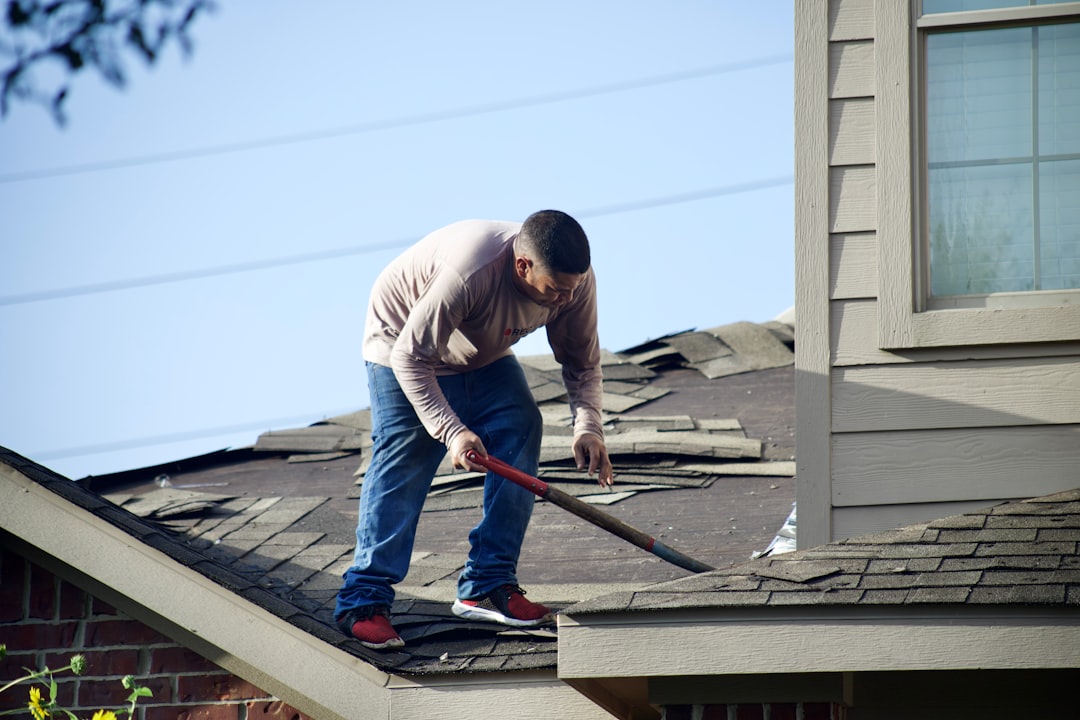
A well-maintained roof is the primary defense for your home, shielding it from rain, wind, and sun. When damage occurs, knowing the correct approach to roof repair and refurbishment is critical for a lasting solution. This guide provides essential, actionable techniques to help you address common issues effectively and protect your investment.
Fundamental Principles of Roof Repair
Before climbing a ladder, understanding a few core principles will make your repair work safer and more successful. Rushing into a project without proper planning often leads to incomplete fixes that fail quickly.
Safety is the Non-Negotiable First Step
Roof work is inherently hazardous. A successful repair begins with a commitment to safety protocols. Neglecting this step risks serious injury.
Adhere to these non-negotiable safety rules:
-
Use a sturdy, properly positioned extension ladder with secure footing.
-
Wear rubber-soled shoes with excellent traction.
-
Utilize a certified safety harness when working on steep pitches.
-
Check weather forecasts and avoid working in wet, windy, or icy conditions.
Accurate Diagnosis Prevents Repeat Problems
The visible damage is often just a symptom. Effective roof repair requires identifying the root cause. A leak in your ceiling may originate from a compromised flashing detail several feet away.
Conduct a thorough inspection from the ground with binoculars first. Look for these key indicators:
-
Missing, cracked, or curling shingles.
-
Sagging areas in the roof deck.
-
Damaged or corroded metal flashing around chimneys, vents, and valleys.
-
Excessive granules in gutters, signaling advanced shingle wear.
Essential Techniques for Common Repairs
With safety and diagnosis covered, we can focus on specific repair and refurbishment methods. Using the right technique for the specific problem is what separates a professional-grade result from a temporary patch.
Repairing and Replacing Asphalt Shingles
Asphalt shingles are the most common roofing material in the U.S. Repairing them correctly involves more than just nailing down a new piece.
For a single damaged shingle:
-
Carefully lift the tabs of the shingles above the damaged one.
-
Remove the old nails with a flat pry bar.
-
Slide the new shingle into place, aligning it perfectly with the existing course.
-
Secure it with roofing nails placed under the overlapping tabs, then seal the tabs with a dab of roofing cement.
Sealing and Replacing Roof Flashing
Flashing failures are a leading cause of leaks. This thin metal material seals joints and transitions. Proper flashing repair is a cornerstone of durable roof repair and refurbishment.
For small cracks or pinholes in flashing:
-
Clean the area thoroughly with a wire brush.
-
Apply a generous layer of high-quality, waterproof roofing cement.
-
For larger sections, you may need to embed a piece of mesh fabric into the cement for reinforcement.
If the flashing is severely corroded or bent, replacement is the only reliable option. This involves carefully removing the surrounding shingles, installing new flashing that integrates with the underlayment, and then re-shingling the area.
Addressing Leaks in Roof Valleys
Valleys—where two roof planes meet—channel large volumes of water. They require special attention. Leaks here often stem from compromised underlayment or improper shingle weaving.
Key steps for valley repair include:
-
Removing the existing shingles from the valley area.
-
Inspecting and replacing any damaged ice and water shield or valley underlayment.
-
Re-shingling using the correct “closed-cut” or “woven” valley technique for your climate.
-
Never nailing through the center of the valley membrane, as this creates a direct path for water.
Advanced Considerations for Long-Term Durability
Moving beyond immediate fixes, several advanced techniques can significantly extend the life of your roof. These practices are often what differentiate a basic repair from a comprehensive refurbishment.
Proper Ventilation and Insulation
An often-overlooked aspect of roof health is the attic environment. Inadequate ventilation can cause heat and moisture buildup, leading to premature shingle deterioration and ice dams.
As part of a holistic roof repair and refurbishment project, assess your attic:
-
Confirm soffit vents are clear and unobstructed by insulation.
-
Check that ridge or gable vents are functioning properly.
-
Verify insulation levels meet regional standards to minimize heat transfer to the roof deck.
Selecting the Right Materials and Tools
The quality of your repair is directly tied to the quality of your materials. Using mismatched shingles or substandard sealants will result in a visually inconsistent and functionally weak repair.
Invest in these items for professional results:
-
Aluminum or galvanized steel roofing nails, not staples or standard nails.
-
High-temperature roofing cement or specialized sealants designed for your specific roof material.
-
A roofing hammer or coil nailer for consistent, flush nail placement.
-
Extra shingles stored from the original installation for a perfect color and texture match.
When to Call a Professional Roofer
While many repairs are within a capable homeowner’s scope, recognizing the limits of a DIY approach protects your home and your safety. Some situations unequivocally require a licensed professional.
Contact a professional roofer if you encounter:
-
Extensive water damage or soft, rotted decking over a large area.
-
Structural issues like significant sagging or truss damage.
-
Complex repairs involving slate, tile, or metal roofing systems.
-
Any repair on a roof with a very steep pitch where safety risks are extreme.
-
Persistent leaks you cannot locate or resolve after multiple attempts.
Mastering effective roof repair techniques empowers you to maintain your home’s integrity, prevent minor issues from becoming major disasters, and manage maintenance costs. From precise shingle replacement to understanding the critical role of flashing and ventilation, each technique contributes to a robust, weather-tight roof. For extensive damage or complex projects, partnering with a qualified professional is the most strategic decision, guaranteeing that the repair and refurbishment of your home’s most critical shield is completed to the highest standard.

Leave a Reply